
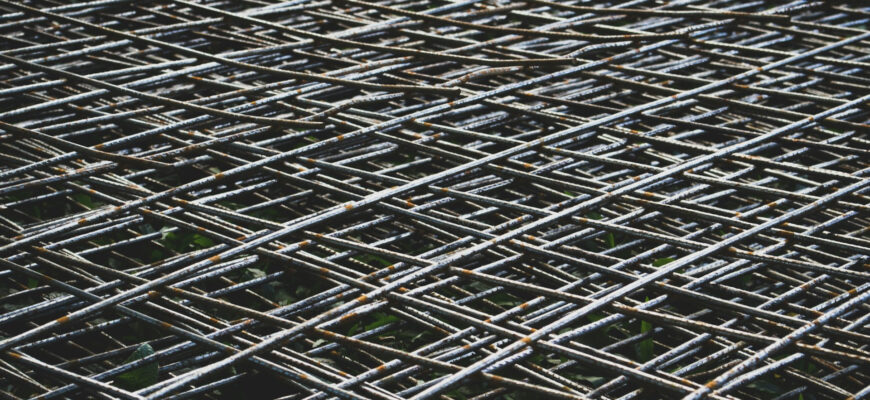
Choosing the right steel grating mesh isn’t as straightforward as flipping through a catalogue and picking the strongest-looking option. Every site has its own conditions such as, loads, weather, chemicals, foot traffic and each one quietly affects performance in ways people often overlook. Ignore those details, and you risk extra maintenance, safety issues, and wasted investment. Here’s what really matters.
1. Load Requirements Are Specific
Gratings behave differently depending on what crosses them. A walkway carrying foot traffic all day isn’t the same as a platform supporting a loaded forklift every hour. You’ll want exact deflection data from the manufacturer, not vague “heavy-duty” claims. Guesswork here leads to either overspending or dangerous underperformance.
2. Steel Grade and Finishing
Two panels might appear identical, but they won’t age the same way. Hot-dip galvanising, for instance, forms a thicker protective layer than lighter electro-galvanised finishes, which matters if your site deals with constant moisture. Steel grade affects behaviour under heat and weight as well. Ask for specifications.
3. Corrosion Resistance Isn’t Universal
Galvanised steel is widely used, but its protection has limits. Chemical vapours, salt air, or industrial washdowns can compromise coatings faster than expected. At a marine site, a cheaper finish may look fine for six months, then fail suddenly. Always match the treatment to the real environment, not the brochure photos.
4. Surface Profile Drives Safety
Slips are more about surface design than labels. Serrated mesh provides traction where oil or water spills are frequent, but it collects grime and needs extra cleaning. Open mesh flooring, surprisingly, performs better in some dry, high-traffic areas. Safety isn’t about roughness, it’s about fit for purpose.
5. Verified Certification Matters
British and international standards exist for a reason. Certified products have undergone controlled testing for load, safety, and durability. Non-certified imports are cheaper upfront, but if something fails, the consequences, fines, liability, downtime, can multiply quickly. Always check paperwork, not just promises.
6. Match the Material to the Setting
Some conditions demand alternatives. In wastewater plants, for example, GRP grating often performs better because it resists constant exposure to chemicals. But in high-load environments like offshore platforms, steel remains the dependable choice. Matching material to setting saves costly retrofits.
7. Installation Adds Hidden Costs
Panels that need cutting on-site slow everything down. Modular systems, by contrast, reduce labour, limit waste, and improve safety during fitting. It’s worth checking installation requirements early instead of discovering delays later.
The right steel grating mesh isn’t simply the strongest or cheapest option. It’s the one that matches your environment, load, and safety needs precisely, a decision that saves time, risk, and money later.