
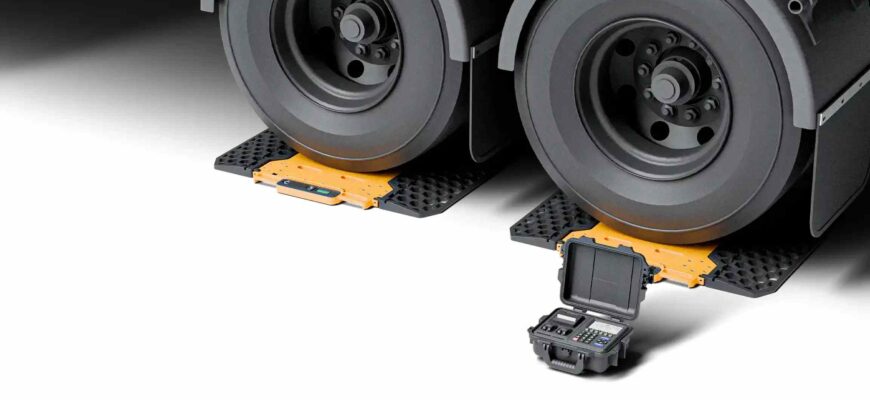
Mobile scales for trucks are transforming the way transport and logistics companies manage vehicle weight. Instead of relying only on fixed weighbridges, businesses can now measure axle and gross vehicle weight wherever operations take place.
If you are exploring reliable weighing solutions, checking high-quality mobile scales for trucks can help you understand the available models, features, and configurations designed for different industries.
The Growing Need for Mobile Weighing Solutions
Overloading is a serious issue in the transportation industry. It leads to heavy fines, vehicle damage, increased fuel consumption, and even road safety risks. Mobile scales provide an easy way to verify truck weight before vehicles enter highways or cross checkpoints.
Another major reason for their popularity is convenience. Companies working in construction, agriculture, mining, and waste management often operate in remote or temporary sites. Mobile scales eliminate the need to travel long distances to fixed weighing stations.
They also improve operational efficiency. Drivers can quickly check loads on-site, adjust cargo if needed, and avoid costly delays.
Key Benefits of Mobile Scales for Trucks
Mobile weighing systems offer practical advantages that directly impact productivity and profitability:
- Portability: Easy to transport between job sites.
- Quick Setup: Minimal installation time with no permanent foundation required.
- Accurate Measurements: Advanced sensors ensure reliable weight readings.
- Cost Savings: Reduces fines, maintenance costs, and fuel waste.
- Regulatory Compliance: Helps meet state and federal load requirements.
These benefits make mobile scales a smart investment for businesses that depend on accurate weight management.
Important Features to Consider
Before purchasing mobile scales for trucks, it is important to evaluate the features that match your operational needs.
-
Durability and Load Capacity
Mobile truck scales must be built from high-strength materials such as aluminum or steel to withstand heavy loads and harsh job site conditions. Weather resistance is essential for outdoor use in rain, dust, or extreme temperatures.
Load capacity is another key factor. Businesses should choose a system that handles both current and future vehicle weight requirements without compromising accuracy.
-
Technology and Data Management
Modern mobile scales often include digital indicators and wireless connectivity. These features allow weight data to be recorded, stored, and transferred directly to management software for reporting purposes.
User-friendly displays and easy calibration also improve daily operations. When equipment is simple to operate, drivers and site managers can complete weighing tasks quickly and accurately.
Industries That Benefit the Most
Several industries rely heavily on mobile weighing systems. Construction companies use them to weigh dump trucks loaded with sand, gravel, or debris directly at project sites. Agricultural operations depend on them during harvest seasons to ensure trucks are loaded within legal limits.
Logistics and freight companies also benefit by verifying loads before long-distance trips. This reduces the risk of roadside penalties and mechanical strain caused by uneven weight distribution.
Government agencies and enforcement teams frequently use mobile scales for roadside inspections. Their flexibility allows officers to conduct weight checks in multiple locations without permanent infrastructure.
Final Thoughts
Mobile scales for trucks provide flexibility, accuracy, and cost control for modern fleet operations. They help businesses stay compliant, protect their vehicles, and streamline daily workflows.
As transportation demands continue to grow, investing in reliable mobile weighing equipment is not just practical; it is a strategic decision that supports safety, efficiency, and long-term profitability.